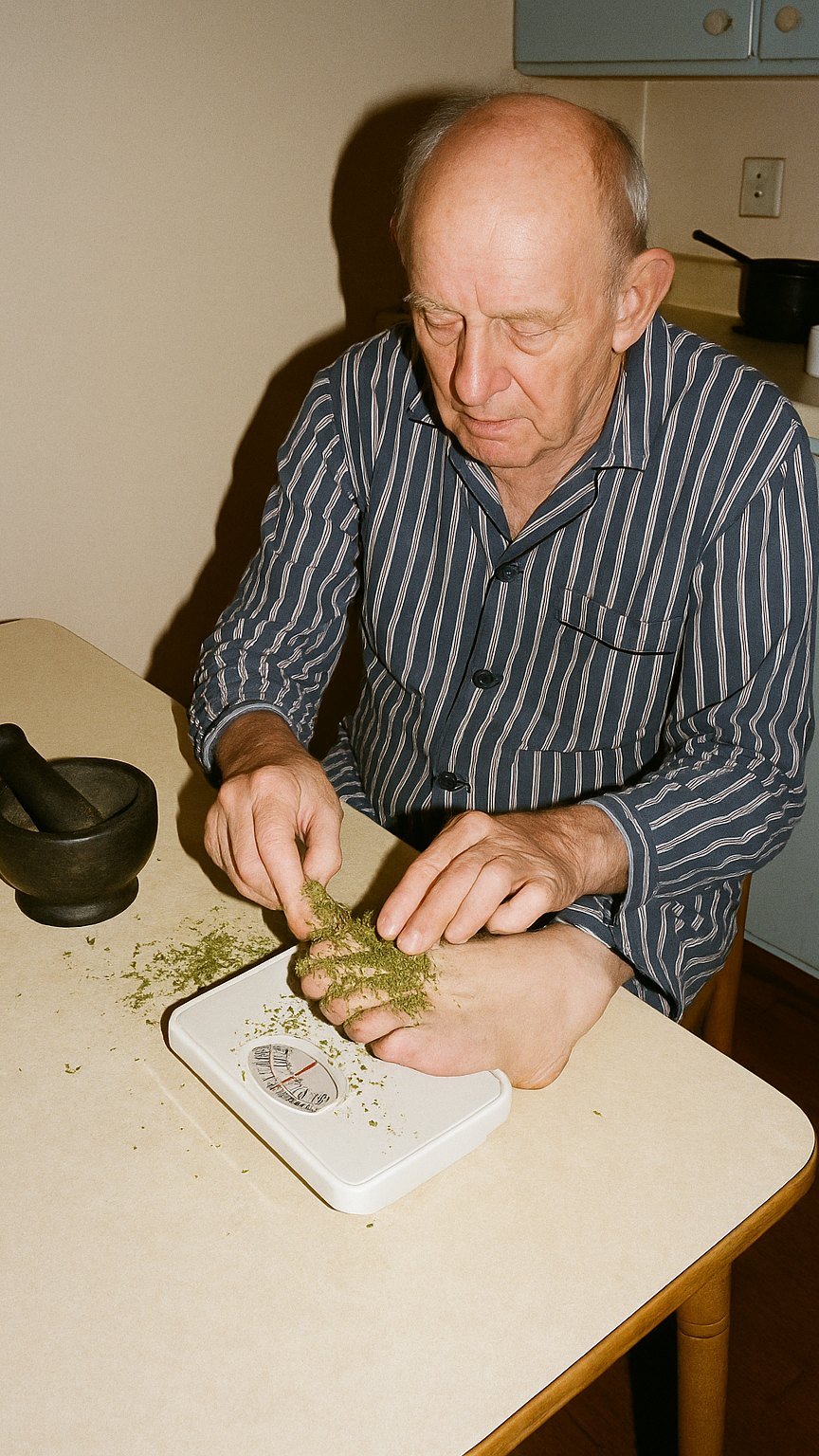
The Natural Treatment For Neuropathy In The Feet He Uses Himself
Neuropathy treatment for feet usually begins and ends with your blood sugar. A pain-management doctor of 27 years explains the natural treatment he now uses on his own feet, and why he says sugar control alone was never going to reach a nerve that has already lost its covering.
Controlling Your Sugar Was Only Half Of The Instruction
You did the numbers. The A1c came down, or it is close. The feet did not follow.
He says that happens often enough that he stopped being surprised by it. High blood sugar is what damages the nerve over the years. Bringing it down is not the same thing as reaching the part of the nerve that is already bare — and nobody at the appointment says the second half out loud.
That gap is where most neuropathy treatment for feet quietly stops.
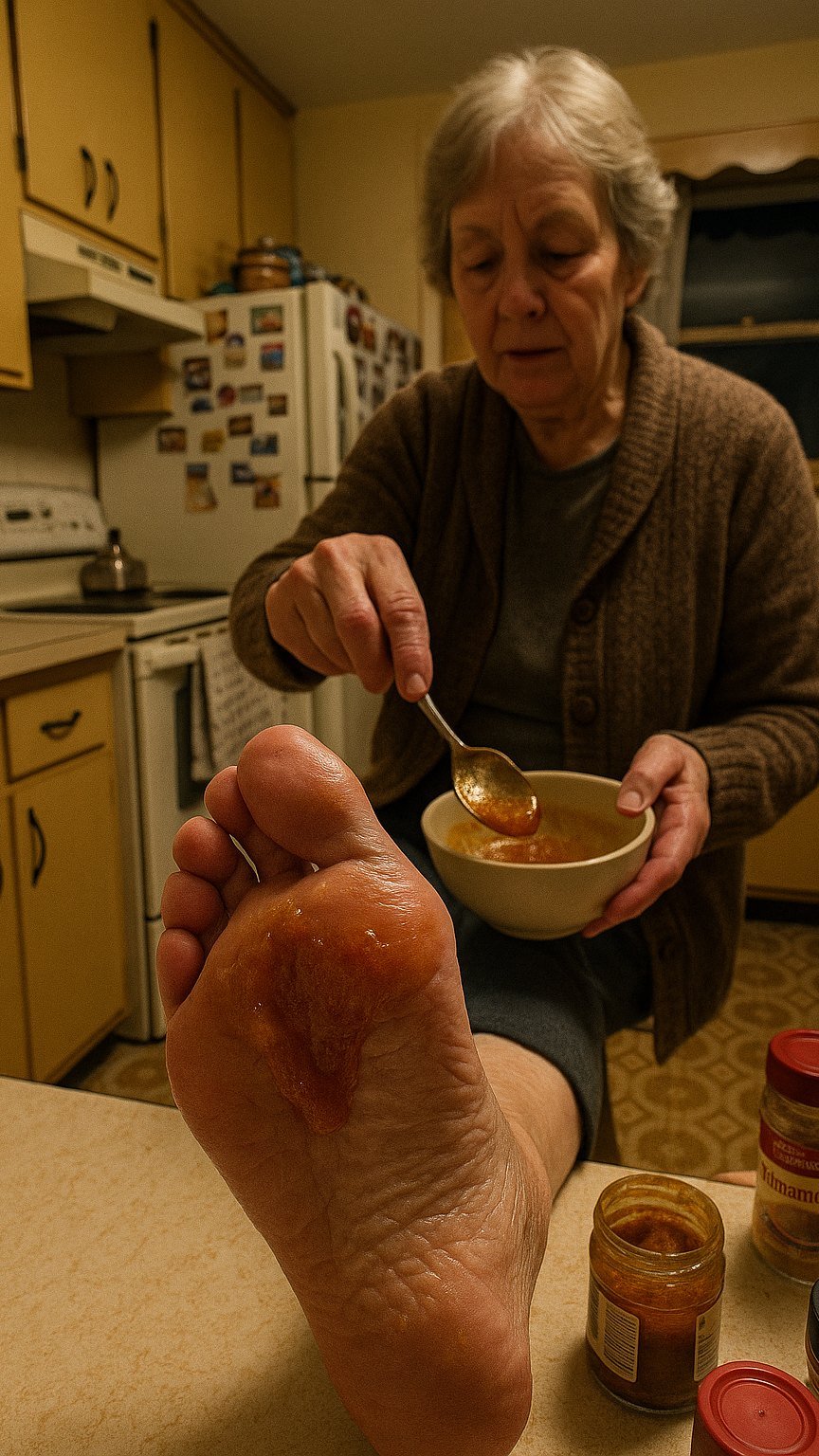
Diabetic Or Not, The Feet Go First
About half the people he describes have a diabetes diagnosis. The other half do not, and they have the same night: the same socks, the same two in the morning, the same floor that feels wrong under them.
His explanation is the same for both. Whatever started it, the damage accumulates at the far ends of the nerve first. That is why the feet go before the hands, why numbness shows up long before pain does, and why he works from the feet either way.
The Coating He Says Is Sitting On The Nerve
In the presentation he describes a corrosive enzyme that collects around the nerve and hardens into a coating. He calls it sticky plaque. In his account it wears through the protective layer and leaves the nerve bare — an electrical wire stripped, in his words — and he shows the published work he is reading it from.
If he is right, your blood sugar sits upstream of that coating and your cream sits on top of it, and a natural remedy for neuropathy in the foot only counts if it gets past.
Three Things In Your Kitchen, And The Order He Uses
He names all three on camera and shows the amounts. He did not invent the combination — he found it in published work, and he says whose.
The ingredients are the easy part. The order, the proportion and the hour of the day are not, and he performs the sequence instead of listing it, because improvising at home is what he blames for most people getting nothing out of it.
He also says not to wait for spring. A nerve that has lost its covering does not take a cold night the way an intact one does, and the first cold weeks are when he hears from the most people. The reason he gives is not the circulation answer you were given.
What He Refuses To Claim
He makes no claim of a cure, and neither do we. He says it before he shows anything and he repeats it at the end.
He is just as firm about the other half: keep your appointments, keep taking what you were prescribed, and do not touch your diabetes medication over something you watched on the internet. He says that in his own words, twice.
One of the patients he describes had been on the same prescription for seven years. What she reports is smaller and more specific than a cure: that it stopped climbing, and that she started sleeping again. It varies from one person to the next.
Before You Watch It
No. He is blunt about this twice: keep your appointments and keep taking what you were prescribed. Nothing here is a reason to change a diabetes medication. He draws that line before he shows anything.
No. About half the people he describes have the diagnosis and half do not. His explanation for why the feet go first is the same in both cases. He covers both early on.
A physician who spent 27 years in pain management and is now retired from practice. He gives his background and his reason for leaving at the start. You do not have to wait for it.
No. They are ordinary kitchen items. He names all three on camera and shows the amounts he uses rather than describing them. The amounts are the part people get wrong.
No, and neither do we. He explains what he uses on his own feet and why, and he is direct that it varies from one person to the next. He says so before he shows anything.
Because in his account a nerve that has lost its protective layer does not handle cold the way an intact one does. It is not the circulation explanation most people are given. He gives his reasoning for it.
No. There is no form, no email and no charge. It plays when the page opens.